The Evolution of Orthodontic Progress Tracking
The landscape of orthodontic treatment has undergone a remarkable transformation over the past decade, with digital technologies revolutionising how practitioners monitor patient progress. Gone are the days when treatment monitoring relied solely on periodic in-person appointments and manual assessments. Modern aligner systems now incorporate sophisticated tracking technologies that provide real-time insights into tooth movement, treatment adherence, and projected outcomes. These innovations have fundamentally changed the relationship between orthodontists and patients, creating a more transparent and predictable treatment journey.
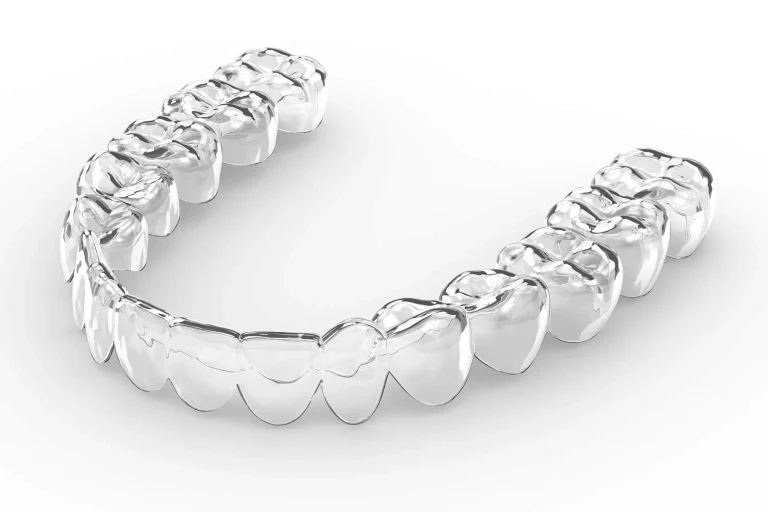
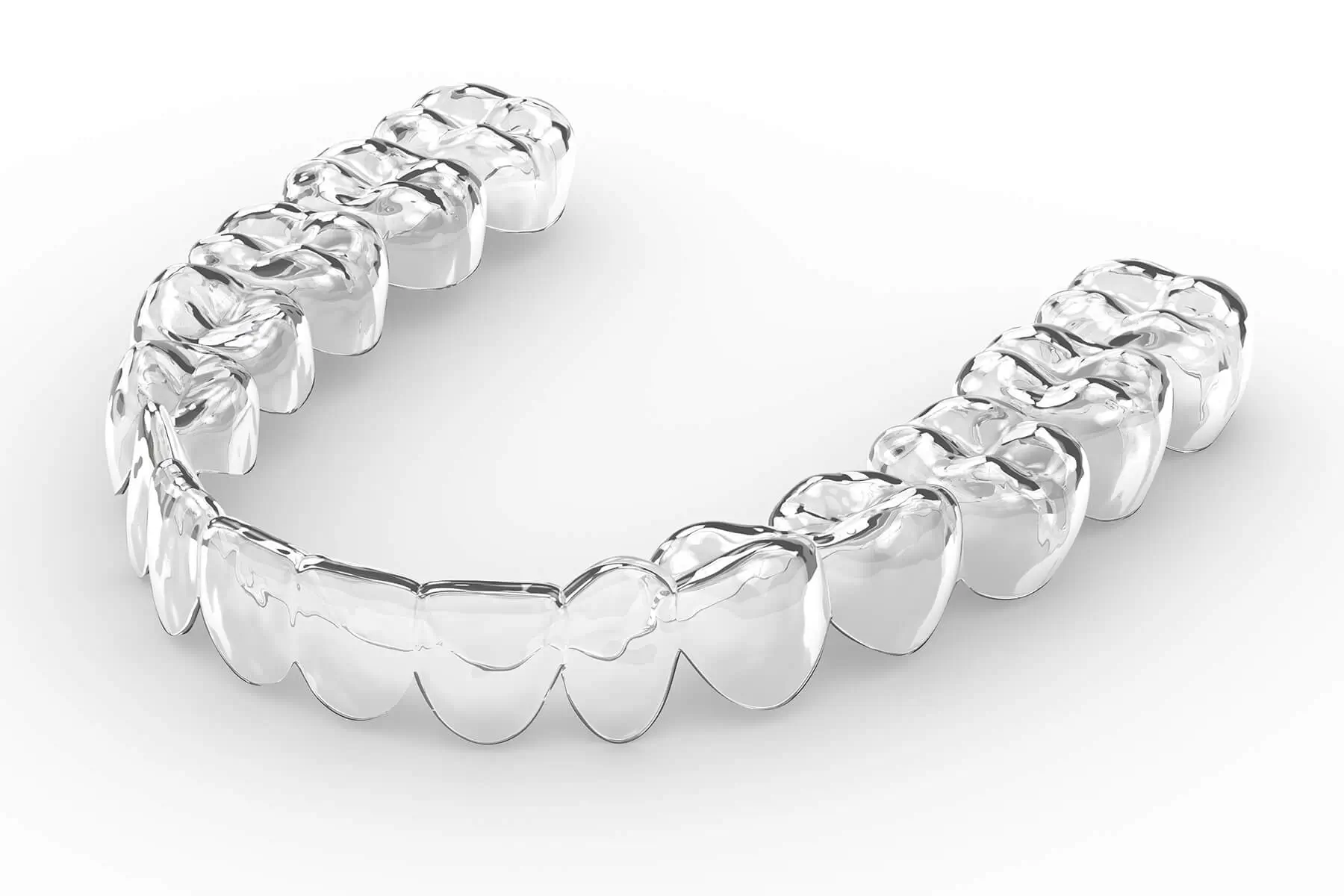
For patients seeking Invisalign Bournemouth, understanding how these tracking systems function can provide valuable peace of mind. The technology operates through a combination of digital scanning, artificial intelligence, and cloud-based data analysis, creating a comprehensive picture of treatment progression that would have been impossible just a few years ago.
Digital Scanning and Remote Monitoring Capabilities
At the heart of modern aligner tracking systems lies the ability to capture detailed images of teeth at various stages throughout treatment. Patients typically use smartphone-based scanning devices or dedicated intraoral cameras to submit regular progress photographs. These images are far more sophisticated than simple snapshots; they employ specific angles and lighting conditions to ensure consistency and accuracy across all submissions.
The frequency of these scans varies depending on the treatment protocol, but many systems request weekly submissions. This regular cadence allows orthodontists to identify potential issues before they become significant problems. If a patient’s teeth are not moving according to the predicted trajectory, adjustments can be made promptly, potentially saving weeks or months of treatment time.
Artificial Intelligence and Predictive Analytics
The true power of modern tracking systems emerges when artificial intelligence algorithms analyse the submitted scans. These sophisticated programmes have been trained on millions of orthodontic cases, enabling them to recognise patterns and predict outcomes with impressive accuracy. The virtual care platform powered by AI technology can detect subtle deviations from the treatment plan that might escape even an experienced clinician’s eye during a brief visual inspection.
These algorithms assess multiple factors simultaneously, including the rate of tooth movement, aligner fit quality, and patient compliance with wearing schedules. By comparing current progress against thousands of similar cases, the system can generate probability models for treatment completion dates and identify risk factors that might delay achieving the desired outcome.
Compliance Monitoring and Patient Accountability
One of the most significant advantages of digital tracking systems is their ability to monitor patient compliance. Traditional orthodontic treatments relied heavily on patient self-reporting regarding wear time, which could be unreliable. Modern systems employ sensors embedded within aligners or analyse photographic evidence to determine actual wearing duration with remarkable precision.
This data proves invaluable for both practitioners and patients. When treatment progresses more slowly than anticipated, the tracking system can determine whether the issue stems from biological factors or insufficient wear time. This distinction allows for appropriate interventions, whether that means adjusting the treatment plan or having a constructive conversation about compliance habits.
Treatment Milestone Prediction and Timeline Adjustments
Perhaps the most appreciated feature of contemporary aligner tracking systems is their ability to predict treatment milestones with increasing accuracy. As the system accumulates data throughout treatment, its predictions become progressively more refined. Patients receive regular updates about expected completion dates, upcoming changes in their smile, and specific milestones.
Advanced dental monitoring platforms for Invisalign treatment can even simulate the final result based on current progress, motivating the mid-treatment phase when progress may feel less noticeable. These visualisations help maintain patient engagement and commitment to the prescribed wearing schedule.
When deviations from the planned trajectory occur, the system alerts the orthodontist immediately. Remote monitoring technology for orthodontic care enables practitioners to make informed decisions about whether an in-person appointment is necessary or if minor adjustments can be communicated remotely. This flexibility reduces unnecessary appointments whilst ensuring that significant issues receive prompt attention.
The Future of Orthodontic Care
The integration of tracking systems into aligner therapy represents a fundamental shift towards predictive, data-driven orthodontics. These technologies have made Invisalign treatments and similar services worldwide more efficient, predictable, and patient-friendly. As artificial intelligence continues to evolve and datasets expand, the accuracy of progress monitoring and milestone prediction will only improve, offering patients greater confidence in their treatment journey and practitioners enhanced tools for delivering exceptional outcomes.