Understanding How Root Canal Therapy Preserves Natural Teeth Through Advanced Endodontic Techniques
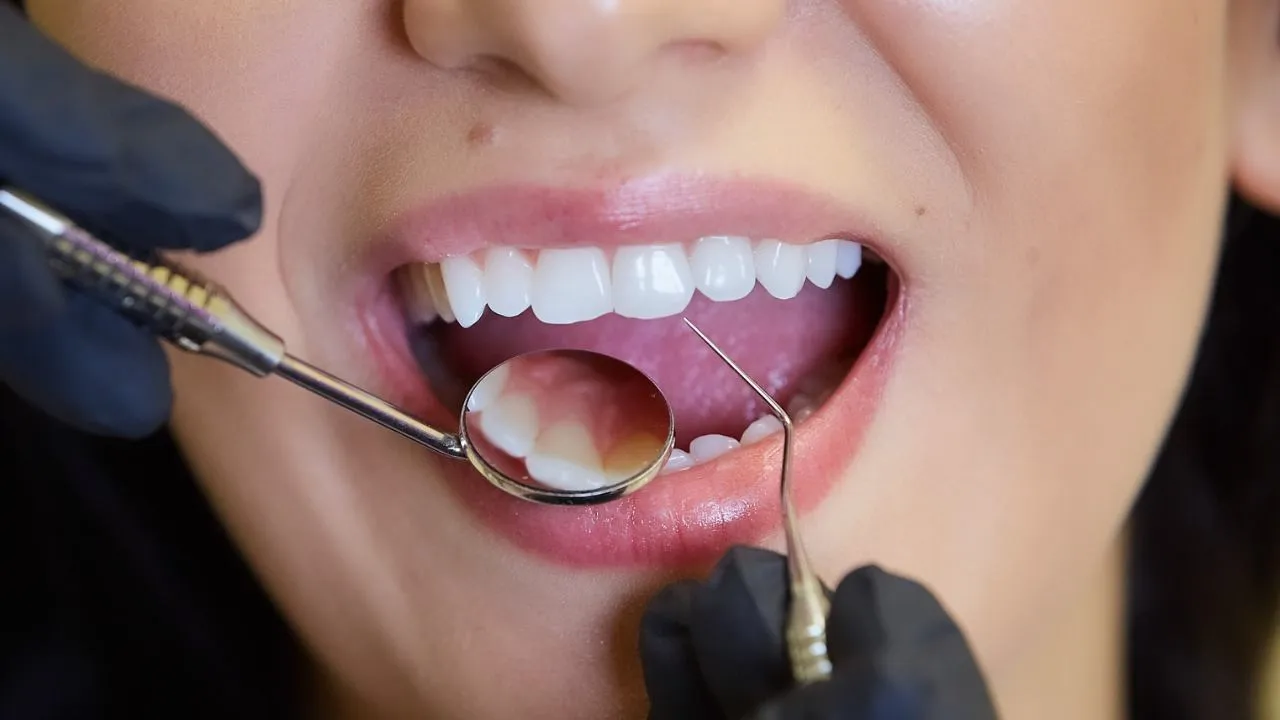
The Modern Approach to Saving Teeth
Root canal therapy has evolved from a dreaded dental procedure into a sophisticated, tooth-preserving treatment that millions of patients rely upon each year. The primary objective of endodontic treatment remains unchanged: to save natural teeth that would otherwise require extraction. However, the techniques and technologies employed by a dentist Limerick have transformed dramatically, making the process more comfortable, predictable, and successful than ever before.
The preservation of natural teeth through root canal therapy represents a significant achievement in modern dentistry. When the pulp tissue inside a tooth becomes infected or inflamed due to deep decay, repeated dental procedures, or trauma, endodontic intervention becomes necessary. Rather than removing the tooth entirely, endodontic specialists employ advanced techniques to eliminate infection whilst maintaining the tooth’s structural integrity and function within the oral cavity.
The Science Behind Root Canal Success
Understanding the biological principles that underpin successful root canal therapy helps explain why this treatment achieves such remarkable outcomes. The tooth’s root canal system comprises intricate networks of pulp chambers and canals that house nerves, blood vessels, and connective tissue. When infection occurs, bacteria multiply within these confined spaces, causing pain and potentially spreading to surrounding bone structures.
Modern endodontic treatment addresses this challenge through meticulous removal of infected tissue, thorough disinfection of the canal system, and complete sealing to prevent recontamination. Advanced imaging technologies, including digital radiography and cone beam computed tomography, allow practitioners to visualise the complex anatomy of root canal systems with unprecedented clarity. This detailed visualisation enables more precise treatment planning and execution.
Advanced Instrumentation and Materials
Contemporary root canal therapy benefits enormously from innovations in instrumentation and filling materials. Nickel-titanium rotary files have revolutionised canal preparation, allowing for more efficient and thorough cleaning whilst maintaining the natural canal shape. These flexible instruments navigate curved canals with greater ease than traditional stainless steel files, reducing procedural complications and improving outcomes.
The materials used to fill and seal root canals have similarly advanced. Biocompatible sealers and filling materials create hermetic seals that prevent bacterial recontamination, whilst some newer materials actively promote healing of periapical tissues. Whether seeking treatment from a dentist, patients benefit from these technological improvements that enhance treatment success rates considerably.
Microscopic Precision in Endodontic Treatment
The integration of dental operating microscopes into endodontic practice represents one of the most significant advancements in tooth preservation. These high-powered optical instruments provide magnification levels up to 25 times normal vision, illuminating the intricate details of canal anatomy that would otherwise remain hidden. This enhanced visualisation allows practitioners to identify additional canals, detect microfractures, and remove calcifications with unprecedented accuracy.
Microscope-assisted endodontics has dramatically improved the success rates of complex cases, including retreatments of previously failed root canals. The ability to work with such precision minimises the removal of healthy tooth structure whilst ensuring thorough debridement of infected tissue. This conservative approach strengthens the long-term prognosis of treated teeth, reducing the likelihood of future complications.
Regenerative Endodontic Procedures
Emerging regenerative techniques represent the cutting edge of tooth preservation through endodontic innovation. These procedures aim to restore vitality to immature permanent teeth with necrotic pulps, encouraging continued root development and strengthening of tooth structure. By harnessing the body’s natural healing capabilities, regenerative endodontics offers hope for preserving young teeth that would previously have faced uncertain futures.
Research into regenerative endodontic treatments and their clinical outcomes continues to expand our understanding of pulp biology and tissue engineering. Whilst these techniques remain primarily indicated for specific cases involving immature teeth, they exemplify the profession’s commitment to developing increasingly conservative and biologically sound treatment approaches.
The Long-Term Value of Tooth Preservation
Preserving natural teeth through root canal therapy offers substantial advantages over extraction and replacement options. Natural teeth maintain proprioceptive feedback, allowing patients to sense pressure and texture when chewing. They preserve alveolar bone structure, preventing the resorption that inevitably follows tooth loss. Furthermore, successfully treated teeth can function for decades, often lasting a lifetime with proper care and maintenance.
The cost-effectiveness of root canal therapy compared to extraction and implant placement makes tooth preservation an economically sound choice for most patients. Advanced endodontic techniques have elevated success rates to over 95% for initial treatments, making this conservative approach both clinically predictable and financially prudent. As technologies continue evolving and techniques become further refined, the future of tooth preservation through endodontic therapy remains exceptionally promising, ensuring that natural teeth receive every opportunity to serve patients throughout their lives.